
In Conversation with Aung Kyaw Zaw
First Prize - Documentary Photography
1st Place
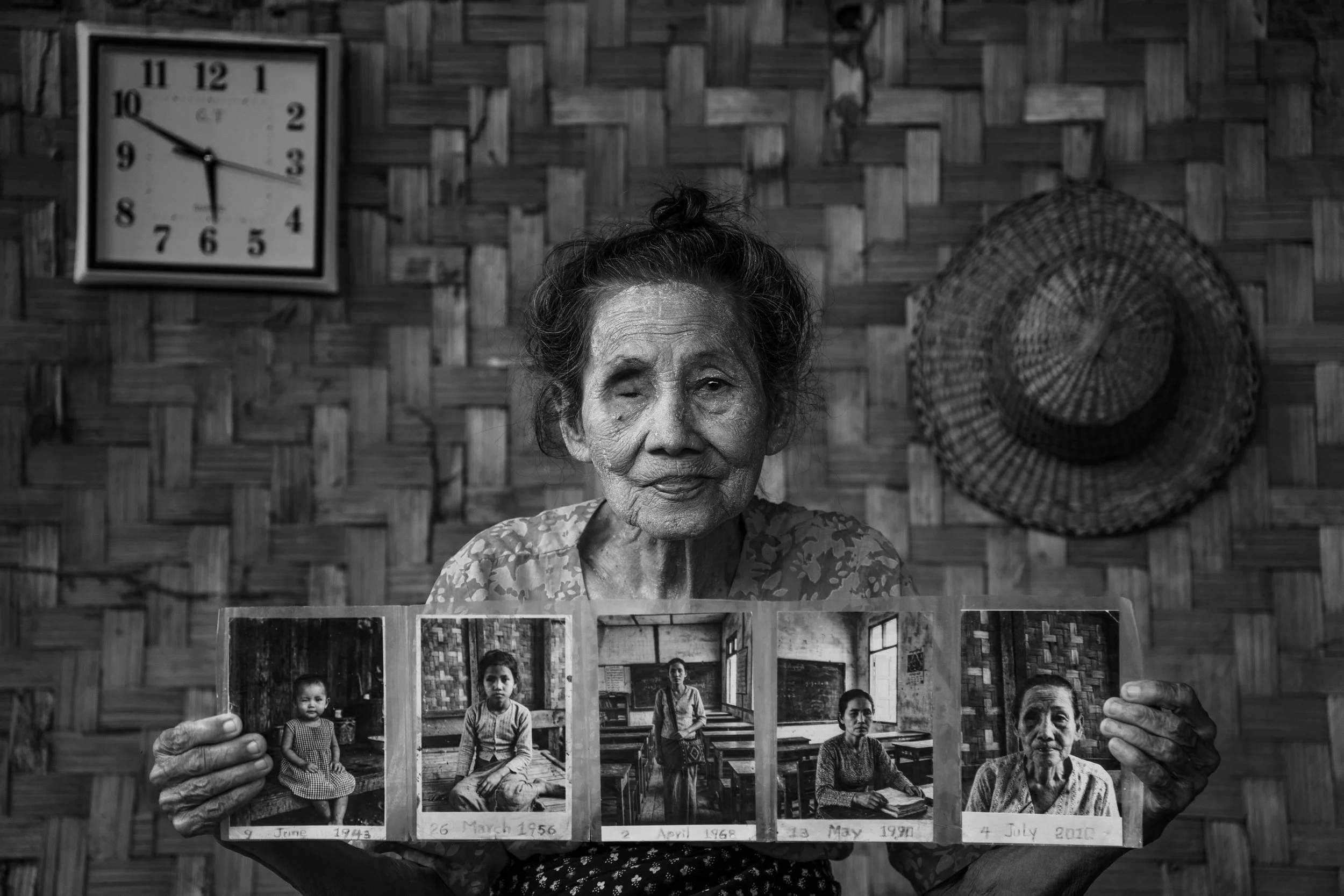
The Passage of Time
Aung Kyaw Zaw / Myanmar
Photograph Description:
As she looked through photographs from her younger years, I noticed a quiet expression on her face - both joyful and sad. Time moves forward continuously, yet memories remain frozen in these frames. Held in her hands is not just a collection of photographs, but a lived journey of a lifetime - proving that while time changes our physical form, the essence of who we are endures.
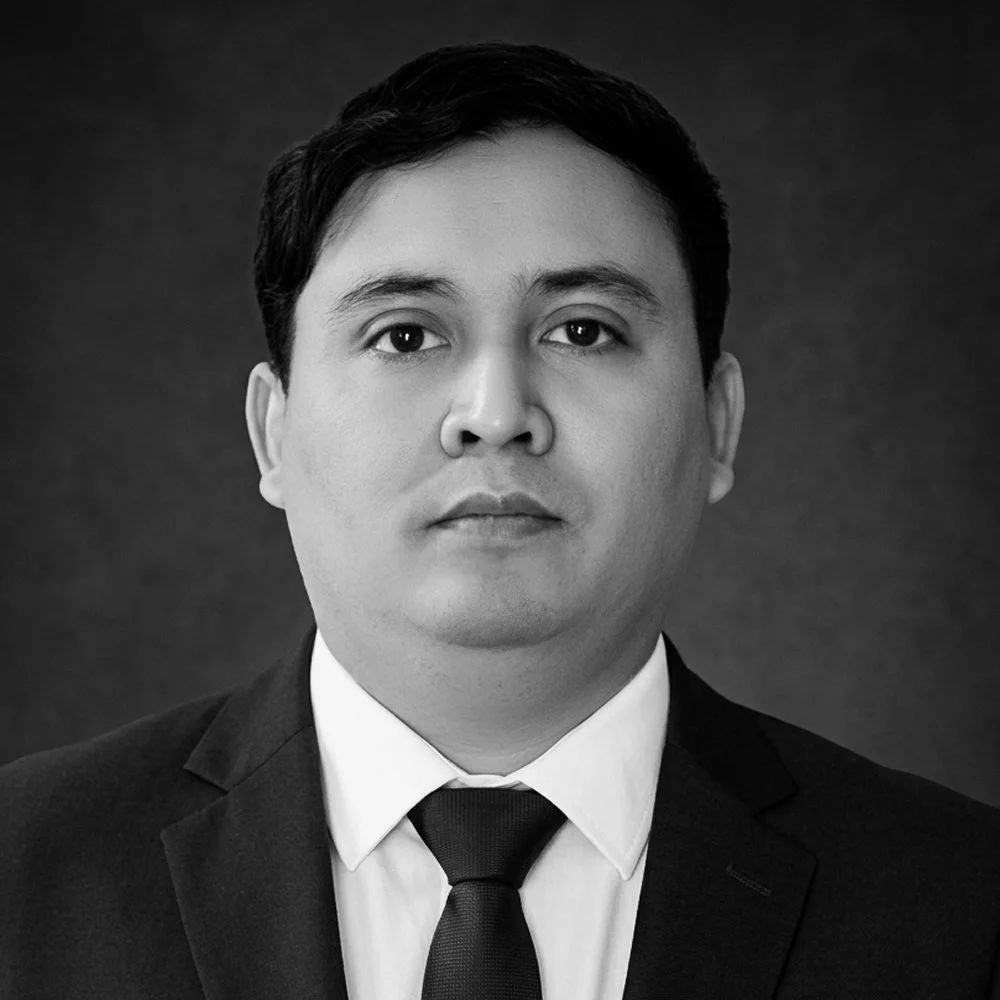
I am a documentary photographer and visual storyteller from Myanmar. My work focuses on people, culture, everyday life, and the relationship between humans and their environment. Through photography, I aim to preserve authentic moments, document meaningful stories, and share different perspectives of the world. My work has received recognition in international photography competitions, reflecting my passion for visual storytelling and documentary photography.
The Quiet Power of Human Stories
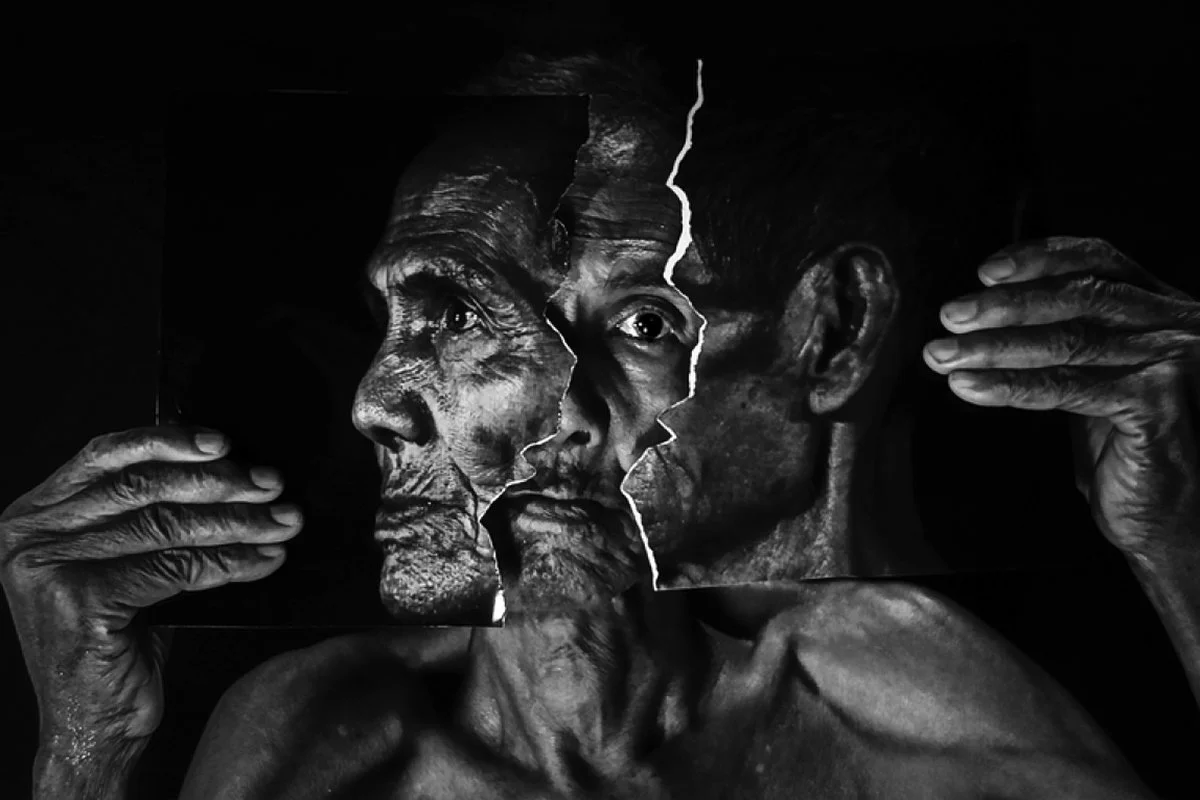
For Aung Kyaw Zaw, photography is a way of observing life, preserving memories and discovering meaning in ordinary human experiences.
For Aung Kyaw Zaw, photography is a way of observing life, preserving memories and discovering meaning in ordinary human experiences.
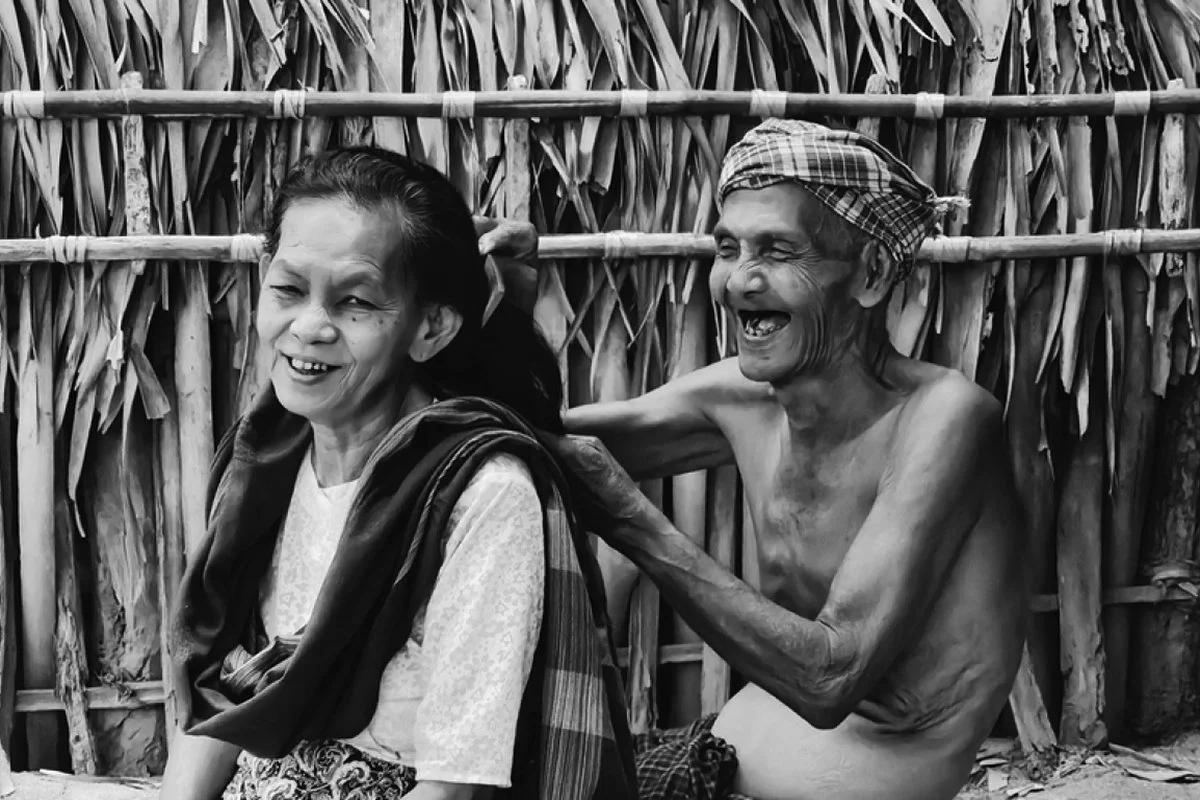
Following his First Prize at the inaugural edition of EVI MONO AWARDS for The Passage of Time, we speak with him about his photographic journey, human dignity, memory and the ethics of documentary photography.
01. Artistic Identity
How would you describe yourself as a photographer? What themes, subjects, or ideas are you most drawn to exploring through your work?
I would describe myself as a travel and documentary photographer from Myanmar. I have always enjoyed travelling and discovering new places. Through photography, I want to share the places I visit and the things I experience, allowing others to see and feel the world from my perspective.
However, I am particularly drawn to documenting people's lives. I enjoy capturing their everyday activities, emotions, happiness, sadness, and the small moments that make up their lives.
For me, photography is not just about capturing beautiful scenes. It is also about observing life, preserving genuine moments, and sharing human stories through images.
02. Photographic Journey
How has your photographic journey shaped the way you see the world? Has your approach to photography changed over the years?
My photographic journey began around 2019, when I saved up enough money to buy my first camera, a Nikon D3400. That was the beginning of what has become a lasting passion for photography.
In the early days, I photographed almost everything I came across, simply because I enjoyed capturing what I saw around me. Over time, I began participating in photography competitions, which gradually changed the way I approached photography.
I became more interested in capturing human emotions and telling stories through my images. Rather than focusing only on the visual beauty of a scene, I started paying more attention to the stories and feelings behind each moment.
As someone who genuinely loves photography, I continue to explore and learn different genres, including landscape, street, portrait, and nature photography. I believe there is always something new to discover, and every experience helps me grow as a photographer.
03. Travel and Observation
As a travel photographer, you draw inspiration from the places you visit and the people you encounter. How do travelling and everyday observations influence your photographic practice?
Travelling has a strong influence on my photography. Whenever I visit a new place, I usually approach it in two different ways.
First, I enjoy documenting the things that feel unfamiliar or interesting to me, including landscapes, surroundings, and everyday scenes. I love sharing these visual experiences with others, allowing them to discover places through my photographs.
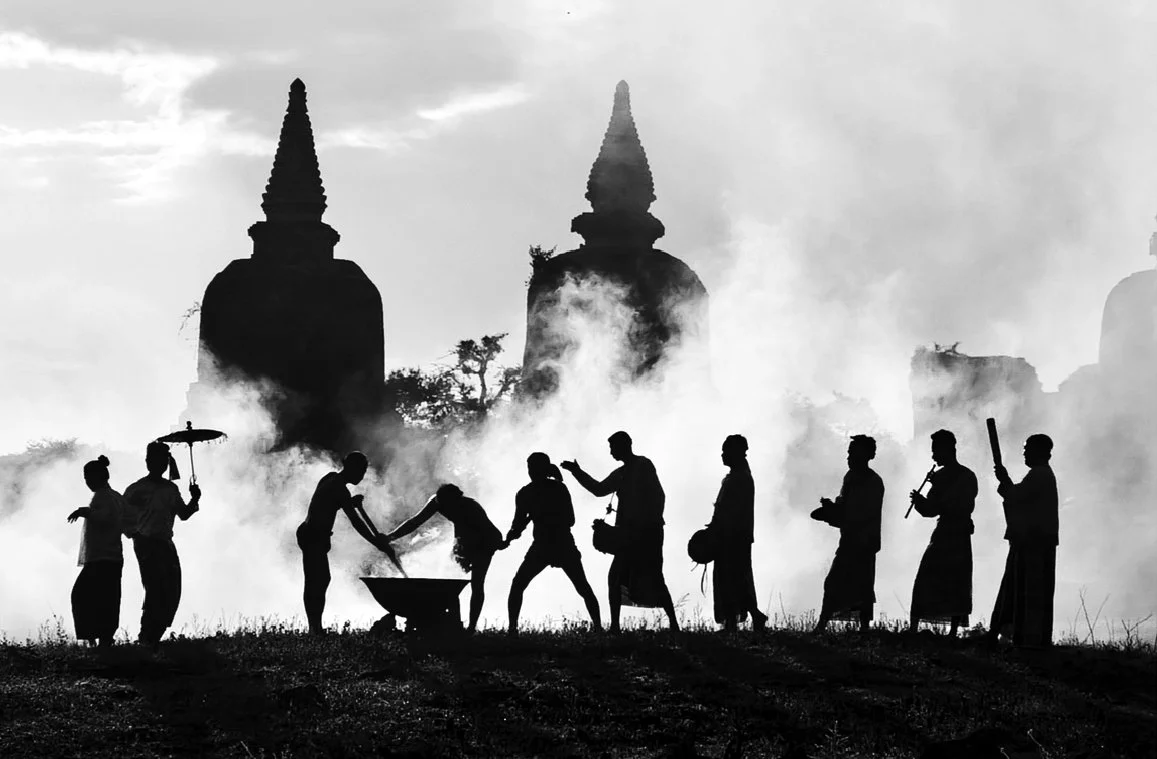
At the same time, when I have enough time, I try to explore the local culture more deeply. I am particularly interested in people's traditions, beliefs, religious practices, and ways of life.
I enjoy observing how people live and interact within their communities, and documenting these experiences through photography.
These documentary photographs have become an important part of my photographic journey and have brought me many recognitions and awards in international photography competitions.
04. People and Cultural Stories
Much of your work documents people and cultures across Asia. Are there any encounters or stories that have particularly stayed with you? What have these experiences taught you?
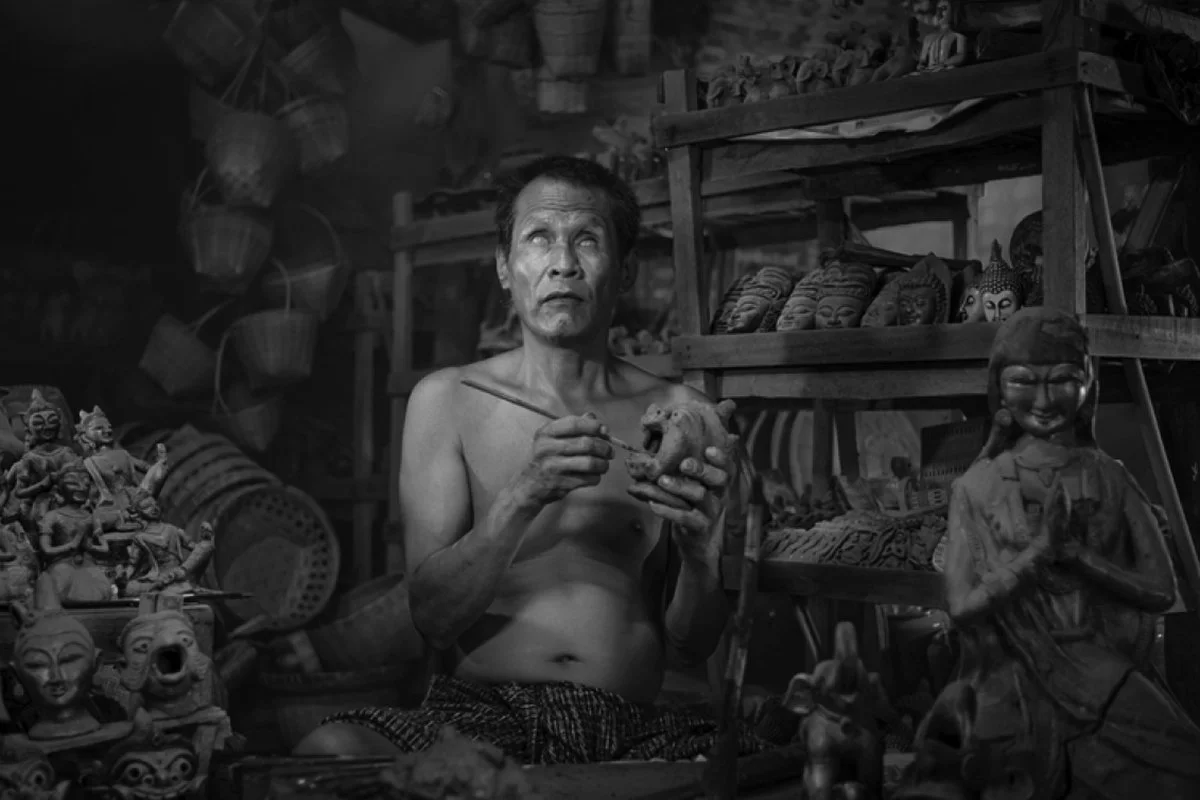
One experience that has stayed with me happened while I was travelling. During a period of heavy rain, I came across a family taking shelter inside a small hut that offered very little protection from the weather.
I felt that this was a moment worth documenting, so I took a photograph of them using my mobile phone. The following day, I heard the heartbreaking news that the father, who was the head of the family, had passed away after becoming ill with a cold.
Whenever I look back at that photograph, I feel deeply saddened. It reminds me how fragile and unpredictable life can be, and how much people can go through in their everyday lives, often without others knowing.
This experience taught me that photography is not only about capturing what we see, but also about understanding the people and circumstances behind each image.
It has made me more aware of the importance of documenting people's lives with empathy and respect.
05. Building Trust
How do you establish trust with the people you photograph, particularly when documenting personal moments or unfamiliar communities?
Most of the time, I prefer to photograph people from a distance, allowing me to observe and document their everyday activities as naturally as possible without interrupting them.
However, when I come across a scene that I find particularly interesting but cannot capture in the way I envision, I sometimes approach the people, start a conversation, and explain what I would like to photograph.
I ask for their permission and, if they are comfortable, invite them to participate in creating the image.
People respond in different ways. Some are happy to participate and pose with a smile, while others may expect a small payment for their time. There are also people who prefer not to be photographed, and I always respect their decisions.
I believe that building trust begins with communication, honesty, and respect. Taking the time to talk with people and understanding their comfort levels helps create a more positive experience for both the photographer and the subject.
06. Ethics of Photography
Do you ever encounter moments or stories that you feel should not be photographed? How do you decide when to put the camera down?
I believe there are certain moments and situations that should not be photographed, regardless of how powerful or interesting they may appear.
For me, a photographer should always consider the feelings, dignity, and privacy of the people in front of the camera.
If I come across a situation where taking a photograph might cause someone discomfort, embarrassment, or emotional distress, I believe it is better not to take the picture.
Even when I encounter a compelling scene, if someone appears uncomfortable or unhappy when I raise my camera, I choose to stop rather than continue photographing them.
I believe that capturing a powerful image should never be more important than respecting another person's feelings and dignity.
Sometimes, knowing when to put the camera down is just as important as knowing when to take a photograph.
07. The Passage of Time
Your award-winning photograph, The Passage of Time, brings together memory, human experience, and the passage of life. Could you tell us about the moment behind this image and what it means to you personally?
The story behind this photograph is quite simple. I was travelling through a village where I often went to take photographs when I met the elderly woman in the image.
As we talked, she began sharing stories about her life experiences and memories of her childhood. While listening to her, I found myself imagining the journey she had taken from her younger years to the person she was today.
That was when the idea for this photograph came to me.
I asked her if she had any old photographs from her younger days. When she told me that she did, I asked for her permission to create a photograph that would bring those memories together with her present life.
She kindly agreed, and that is how the photograph came to be.
It was an unexpected idea that came naturally from a simple conversation. I never imagined that this spontaneous moment would result in one of my favourite photographs and eventually receive First Place at the EVI MONO AWARDS.
For me, this photograph is especially meaningful because it was inspired by a real encounter and a story shared between two people.
08. Documentary Photography
In your view, what makes a documentary photograph powerful? Is it the story behind the image, its emotional impact, or something else entirely?
For me, a powerful documentary photograph is one that tells a meaningful story and makes people feel something.
I believe that even ordinary moments in people's everyday lives can hold deeper meaning. What matters most is capturing genuine emotions and showing the reality of their lives.
A photograph does not always need to be dramatic or visually impressive. Sometimes, a simple moment with a meaningful story behind it can leave a lasting impression on the viewer.
For me, that is the beauty and power of documentary photography.
09. Black and White
You work in both colour and black-and-white photography. What determines your choice between the two? Does removing colour change the way you communicate a story?
I usually choose between colour and black and white depending on the subject and the story I want to tell.
For joyful and beautiful scenes, city architecture, sunrises, sunsets, and the beauty of nature, I prefer colour photography. I feel that colour helps capture the atmosphere and beauty of these scenes more fully.
However, when photographing people's emotions, life stories, or sad and difficult moments, I often prefer black and white.
Strong colours can sometimes distract from the story, while removing them allows me to focus more on people's emotions, expressions, and experiences.
I also appreciate how black and white brings out textures, light, and shadows, adding depth and a stronger sense of atmosphere to an image.
For me, choosing between colour and black and white is not simply an aesthetic decision. It depends on what I want viewers to see and feel through the photograph.
10. Looking Forward
Are you currently working on any new projects? Are there particular themes, places, or stories you would like to explore further?
I am not currently working on any specific photography projects. However, as someone who loves photography, I still want to continue learning and exploring different genres.
My main focus will remain on travelling and documenting the places I visit. I want to capture their beauty, everyday life, local cultures, traditions, and the stories of ordinary people.
There is still so much to discover through photography, and I hope to keep exploring new places, meeting different people, and telling their stories through my photographs.
In Conversation is an editorial series by EVI MŌNO AWARDS exploring the individuals, ideas and personal perspectives behind award-winning photographs.
This is a non-commercial editorial project, produced without financial gain.